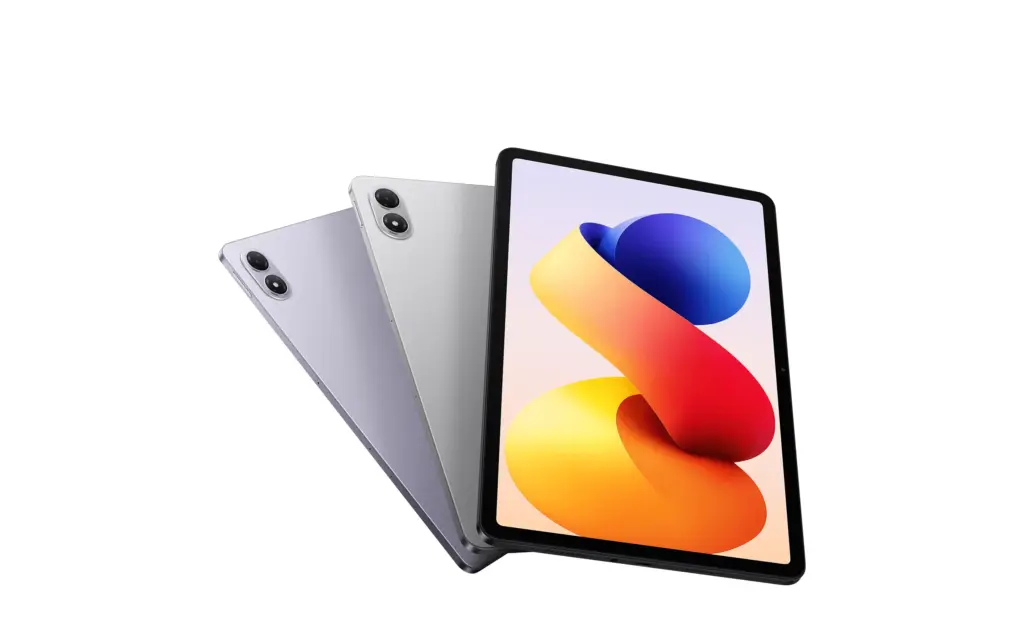
The Xiaomi Poco Pad M1 is Poco’s upcoming tablet aimed at media lovers, students and multitaskers in India. With an ultra-large 12.1″ 2.5K display, a 120Hz refresh rate, a massive 12,000mAh battery, and a capable Snapdragon chip, the Poco Pad M1 promises strong value for tablet users.
In this article you’ll learn all about the tablet’s key features, specifications, performance, battery life, and how it fits into the Indian tablet market.
Specifications at a Glance
| Feature | Specification |
|---|---|
| Display | 12.1″ 2.5K (2560×1600 approx) LCD, 120Hz refresh |
| Processor | Snapdragon 7s Gen 3 (or similar mid-range chip) |
| RAM / Storage | 6GB or 8GB RAM, 128GB or 256GB storage |
| Rear Camera | 8MP |
| Front Camera | 8MP |
| Battery | 12,000 mAh |
| Charging | ~27W fast charging (reported) |
| Operating System | Android 15 with HyperOS / Poco UI skin |
| Audio | Quad speakers with Dolby Atmos |
| Connectivity | Wi-Fi, Bluetooth, USB-C |
| Colour options / accessories | Grey, Green; keyboard and stylus support reported |
Bold Display and Comfortable Viewing
The standout feature of the Poco Pad M1 is its large 12.1-inch screen.
The 2.5K resolution delivers crisp text, sharp details, and better clarity for reading, streaming and browsing.
The 120Hz refresh rate adds ultra-smooth motion — perfect for scrolling through social apps, playing games, or watching fast-paced action.
The large display size means this tablet also works well for split-screen multitasking or reading digital textbooks.
For Indian users, this means clearer visuals under bright indoor lighting or near windows.
Performance and Chipset

The Poco Pad M1 is expected to feature a Snapdragon 7s Gen 3 chip (or equivalent) depending on region.
This mid-range chipset is well-suited for streaming, multi-tab browsing, light video editing and multitasking.
With options for 6GB or 8GB RAM and 128GB or 256GB storage, the tablet gives solid real-world performance for students and media users in India.
The internal hardware is tuned for efficient battery use, meaning longer runtime for your tasks.
Battery Life and Charging — Long Duration for Indian Use
One of the most impressive specs is the 12,000mAh battery.
That is larger than many premium tablets.
This means extended viewing hours, multitasking and study sessions without frequent charging.
Poco reports fast charging (~27W) — not ultra-fast but adequate for the large cell.
In practical use, expect full-day usage and maybe more on moderate tasks.
For Indian users who watch OTT content or use tablets on commutes, this is a big plus.
Also Read Acer Aspire 3 A311-45 Review – Best Budget Laptop in India for Students and Everyday Use
Cameras, Audio and Media Features
The cameras are simple — an 8MP rear and 8MP front.
They’re built for video calls and casual photos.
The real focus can be on media consumption.
The quad-speaker setup with Dolby Atmos delivers immersive sound for movies, music and games.
If you watch shows, edit notes or join group video call sessions, the large screen + strong audio combo adds value.
Software, Accessories and Productivity
The Poco Pad M1 runs Android 15 with Poco’s UI tweaks.
Expect features adapted for large screens like split view, drag-and-drop clipboard and multitasking panes.
Accessories such as keyboard covers and stylus support are reported — making the tablet useful for note taking and productivity.
For Indian buyers, look out for bundle deals with keyboard or pen.
Design, Build and Fit for India
The tablet looks sleek and premium.
The large size makes it ideal for home or desk use.
For portability, it remains thin and manageable.
Today’s models should support Wi-Fi and Bluetooth; optional LTE/5G versions may arrive later.
In India, this tablet suits living rooms, student desks, or study-corners.
The large display reduces eye fatigue and helps reading PDFs, textbooks or streaming in groups.
Price and Availability in India — What to Expect
The Poco Pad M1 is yet to officially launch in India, but leaks suggest an aggressive price for its specs.
Expect the base 6GB/128GB variant to start around ₹25,000 to ₹30,000.
Storage- and RAM-upgraded versions will cost more.
Watch major e-commerce platforms and Poco’s official store for launch bundles, keyboard/pen deals and bank offers.
Pros & Cons Summary
Pros:
- Large 12.1″ 2.5K display with 120Hz refresh for smooth and clear visuals
- Massive 12,000mAh battery for extended runtime
- Mid-range chipset with good balance of performance and efficiency
- Quad-speaker system enhances movie and gaming audio
- Potential productivity support with accessories
Cons:
- Cameras are basic compared to premium tablets
- Charging speed may be slower compared to flagship tablets
- Price and launch date in India still unconfirmed
- Large size may reduce portability slightly compared to smaller tablets
Frequently Asked Questions (FAQs) — India Focus
Q1: When will Poco Pad M1 launch in India?
A: Official Indian launch date is not yet confirmed. Leaks point to an upcoming rollout.
Q2: What is the expected price of Poco Pad M1 in India?
A: The base model is expected around ₹25,000–₹30,000 in India. Final price will depend on configuration and launch offers.
Q3: Is the Poco Pad M1 good for students and study use?
A: Yes. The large 12.1″ screen and long battery make it suitable for reading, note-taking and media viewing. Accessory support adds productivity.
Q4: How long will the battery last?
A: With the 12,000mAh battery, you can expect a full day of heavy use or more on moderate tasks. Charging time depends on real-world conditions.
Q5: Can I use it for work and productivity?
A: Yes. If you use keyboard accessories and multi-window features, the Poco Pad M1 can serve as a productivity device alongside a laptop.
Final Verdict
The Xiaomi Poco Pad M1 could be a game-changer in the Indian tablet market. With its 12.1″ 2.5K display, 120Hz refresh, 12,000mAh battery, and strong media and productivity features, it meets the needs of students, media lovers and productivity users alike.
If you’re looking for a tablet that offers great visual experience, long battery life and decent performance — all without paying flagship prices — the Poco Pad M1 is one to watch.
Just make sure to wait for the Indian launch, check actual configurations and net price including bundles before purchase.