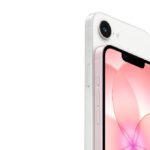
Apple has introduced a brand-new iPhone model in 2025 called iPhone Air. It is the thinnest iPhone ever made. Its aim is to deliver high performance in a sleek, light body. In India, it is a desirable option for those who want a premium iPhone but also value portability and style. Below is a detailed look—its features, advantages, trade-offs, and practical advice for Indian buyers.
Specifications Table
| Feature | Detail |
|---|---|
| Display | 6.5-inch Super Retina XDR OLED, resolution 2736 × 1260, ProMotion up to 120 Hz, Always-On mode |
| Processor | Apple A19 Pro |
| Rear Camera | Single 48 MP Fusion Main (wide) |
| Front Camera | 18 MP Center Stage (square sensor) |
| Storage Options | 256 GB, 512 GB, 1 TB |
| RAM | ~ 12 GB (reported) |
| Video Recording | 4K, cinematic mode, etc. |
| Battery | 3,149 mAh (typical) ~ 12.263 Wh |
| Charging | USB-C fast charging, MagSafe, Qi2 wireless |
| Build / Design | Titanium frame, Ceramic Shield 2 front, Ceramic Shield back |
| Colours | Space Black, Cloud White, Light Gold, Sky Blue |
| Connectivity | 5G (via C1X modem), Wi-Fi 7 (via N1 chip), Bluetooth 6, UWB, Thread |
| Weight | ~ 165 g |
| Thickness | 5.6 mm |
| Water / Dust Resistance | IP68 (up to 6 m, 30 minutes) |
| Security & Safety | Face ID, Memory Integrity Enforcement |
| OS | iOS 26 |
Design, Look & Feel
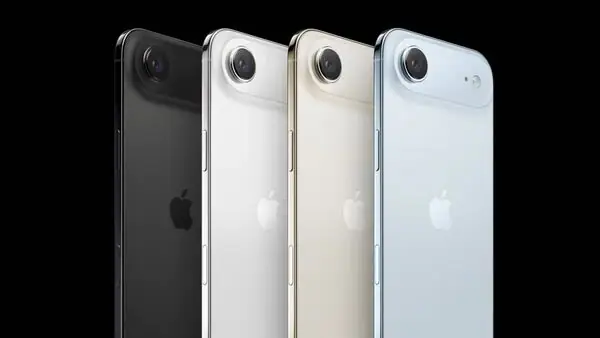
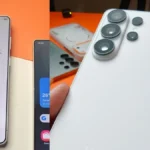
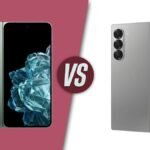
iPhone Air is striking in design. It measures just 5.6 mm thick—making it the most slender iPhone ever. Reports confirm it beats even the thin Galaxy S25 Edge in thickness.
It uses a grade-5 titanium frame, polished to a mirror finish. This gives strength while keeping weight low. Apple says the front cover uses Ceramic Shield 2, which offers 3× better scratch resistance. The back is also protected by Ceramic Shield for improved crack resistance.
Because of its slim build, Apple redesigned how internal parts sit. The “plateau” on the back is milled to house cameras and chips, leaving more space for battery in the rest of the body.
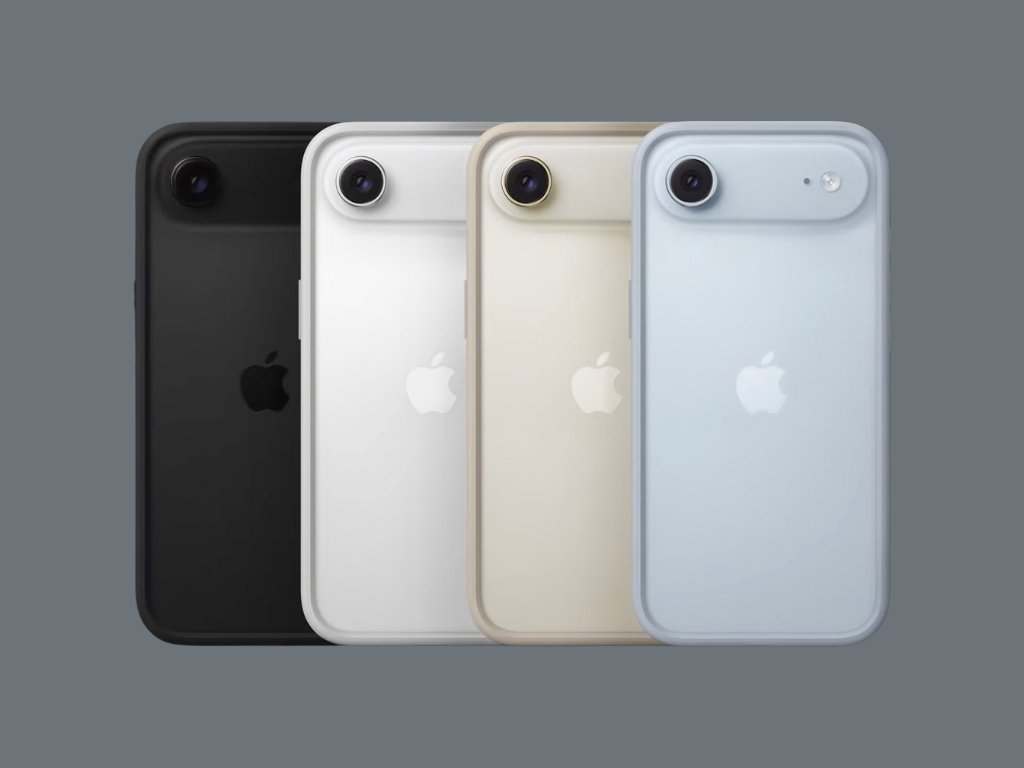
The device comes in four elegant colours: Space Black, Cloud White, Light Gold, Sky Blue. The mirrored titanium gives a premium sheen.
For Indian buyers, the design appeals to those who carry phones in shirt pockets or smaller bags. The slim body and lower weight (≈ 165 g) help with one-hand use and portability.
Also Read iPhone 17: Power, Style, and Smarter Experience
Display & Visual Experience
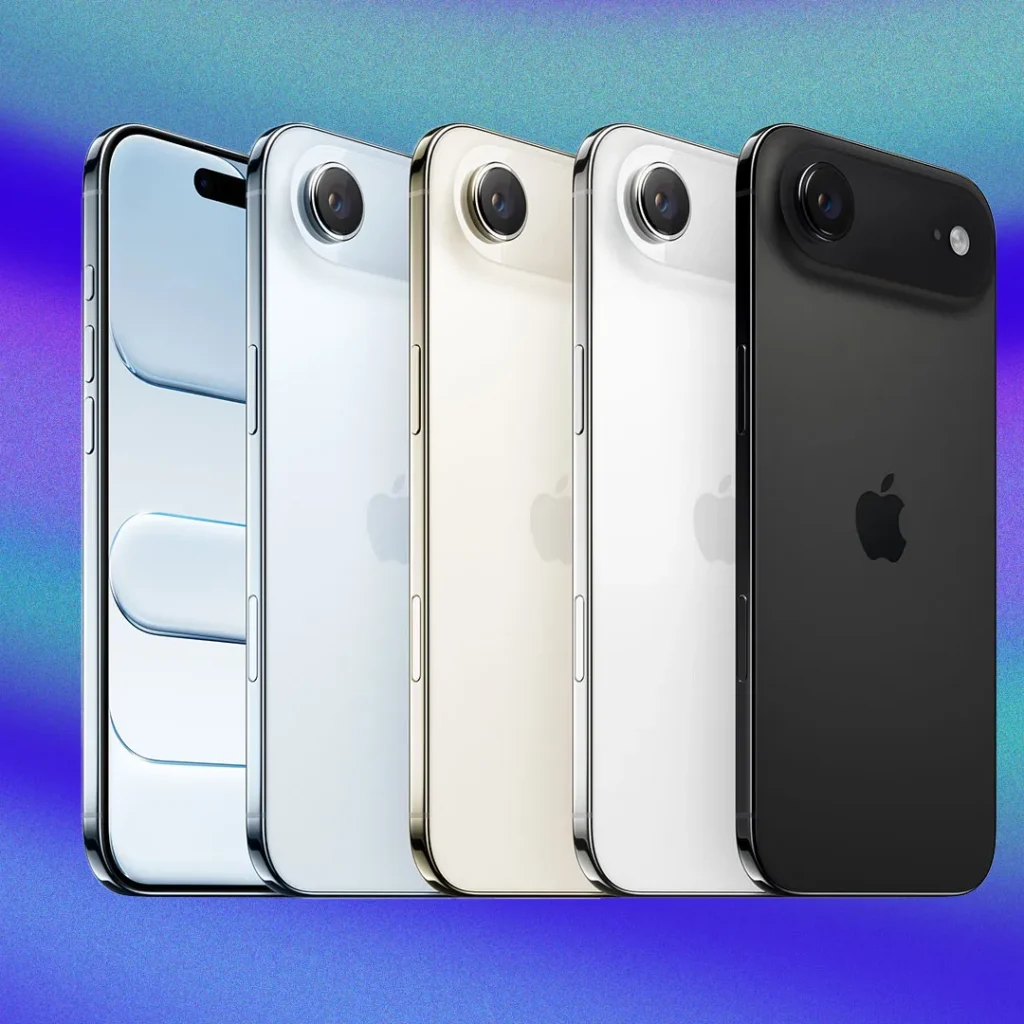
The iPhone Air packs a 6.5-inch OLED display with ProMotion 120 Hz. This is the same high refresh rate once reserved for Pro models. Animations, scrolling, gaming all feel smoother.
The display supports Always-On mode, showing essential info without fully waking the screen. It can scale down to 1 Hz refresh to save power.
Apple claims 3000 nits peak brightness outdoors. This helps visibility under bright sunlight—a benefit for many users in India’s sunny cities.
Other display features include HDR support, True Tone, wide color (P3), and Dynamic Island.
Overall, the display is premium and competitive.
Performance & Chipset
Under the hood sits the A19 Pro chip. It is similar to the chip in iPhone 17 Pro but with slight differences. The iPhone Air’s version has 5 GPU cores (versus 6 in the full Pro). Some features like extremely high data transfer speeds (e.g. ProRes workflows) are disabled. Reviews mention that the USB-C port is limited to USB 2.0 speeds (480 Mbps) rather than high speed transfer.
Still, in daily tasks, it is very powerful. Apps, games, multitasking, AI features all work smoothly. Apple also uses additional chips—C1X modem and N1 wireless chip—to power advanced connectivity (5G, Wi-Fi 7, Bluetooth 6, Thread).
Memory is reported at 12 GB RAM, which gives headroom for demanding tasks.
Overall, iPhone Air gives “Pro-level feel” in most real use cases, despite some compromises in extreme workloads.
Camera System
Unlike multi-camera setups, iPhone Air carries a single 48 MP Fusion Main camera. Apple uses computational techniques to simulate telephoto and other modes. The omission of an ultra-wide lens is a trade-off to keep the body thin.
The main camera supports sensor-shift stabilization and can deliver optical-equivalent 2× zoom from the high-resolution sensor. For many users, this covers everyday needs.
The front camera is 18 MP with Center Stage, using a square sensor. Because of that design, you can take wide group selfies without rotating the phone. The system also supports Dual Capture—video from front and back simultaneously.
Video features include 4K recording, cinematic mode, slow motion, time-lapse, etc.
Battery & Charging
Because the phone is so thin, battery size is limited. It uses a ~3,149 mAh battery (12.263 Wh). In tests, Apple claims “all-day battery life.”
Independent reviews suggest iPhone Air lasts about 12:02 hours of continuous use in tests—less than the regular iPhone 17 in battery life.
It supports fast charging over USB-C, wireless charging via MagSafe and Qi2. A MagSafe battery accessory is also available to boost runtime.
Given Indian usage patterns (heavy social media, video, gaming), many users might need a backup battery or power bank on busy days.
Storage & Software
iPhone Air comes in 256 GB, 512 GB, and 1 TB versions. This removes the lower storage tiers, reflecting modern usage.
Software is iOS 26. It includes Apple Intelligence features, smarter photo tools, translation, and automation. Memory Integrity Enforcement (MIE) is built in, improving defense against spyware and memory-based attacks.
Because this is a new design, Apple may push regular software updates and bug fixes. Always update to latest iOS after buying.
Pricing & Availability in India
iPhone Air launched alongside iPhone 17 on September 19, 2025 in India.
Base model (256 GB) is priced at ₹1,19,900. The 512 GB version costs ₹1,39,900, and the 1 TB version is ₹1,59,900.
Compared to iPhone 17 base (₹82,900), iPhone Air is positioned in the premium mid-to-high segment.
Offers at launch include:
- Cashback up to ₹4,000
- Exchange bonuses
- No-cost EMI from many banks
- Availability through Apple Stores, authorised resellers, e-commerce platforms
For Indian buyers, these deals can reduce effective price. Also, import duties and GST make phones pricier in India than in U.S.
Strengths & Trade-offs
Strengths
- Ultra slim and light — unmatched design appeal
- High performance for everyday and demanding tasks
- Excellent display with 120 Hz and high brightness
- Large storage options
- Premium materials (titanium, ceramic shield)
- Strong security features
Trade-offs
- Single rear camera only (no ultra-wide)
- Battery life is not class-leading
- USB-C port is slower (USB 2.0)
- Higher price relative to base iPhone 17
- eSIM or dual eSIM restrictions in some markets
In some reviews, experts note that iPhone Air “blurs line between Air and Pro” but leaves out some Pro features to balance design.
Who Should Buy iPhone Air in India?
- Users who love design, lightness, and premium feel
- Those who prefer a large screen, but want thinner body
- Users who prioritize style and portability over maximum battery or camera flexibility
- Buyers who expect to keep the phone for many years and value software support
- People who don’t need ultra-wide or extreme camera zoom
But if you are a power user—avid videographer, photo pro, or need long battery life—Pro or Pro Max might be better.
Comparisons with iPhone 17 Series
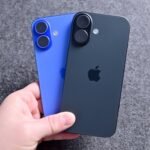
- iPhone 17 has dual 48 MP cameras (main + ultra-wide); Air has single lens.
- iPhone 17 also has 120 Hz and many shared features; Air differs in chip variant, body design, and camera setup.
- Pro and Pro Max offer higher camera flexibility, more RAM/prorated features.
- Air replaces the old “Plus” concept, focusing on thinness rather than just size.
Tips for Indian Buyers
- Buy from authorised Apple outlets or resellers for genuine warranty support
- Use bank offers, festival deals, exchange offers to lower cost
- Check eSIM compatibility with your carrier (some Indian carriers may still rely on physical SIM)
- Use quality chargers and cables
- Update to latest iOS when you start using it
- Carry a MagSafe battery accessory or power bank for heavy days
Frequently Asked Questions (FAQs)
Q: Is iPhone Air better than iPhone 17?
A: It depends. iPhone Air looks thinner and lighter. It has premium materials and many shared features. But it loses a camera and has slightly lower battery life. iPhone 17 gives more balanced value.
Q: Does iPhone Air support physical SIM?
A: The iPhone Air works with eSIM or dual eSIM. It does not have a physical SIM slot in many markets.
Q: How long will its battery last in real use?
A: For moderate daily use (social media, calls, light video), it should last most of the day. But for heavy users, battery may drain faster. Using wireless or wired charging during day helps.
Q: Will it get software updates for many years?
A: Yes. Apple supports iPhones for many years. Given its modern chip and architecture, iPhone Air should get iOS upgrades and security patches for 5 to 6+ years.
Q: Why is it so expensive in India?
A: Import duties, GST, and added taxes increase the cost. Apple also must price considering local costs, distribution, and retail margins.
Q: Does it have ultra-wide camera or macro mode?
A: No. Air uses a single 48 MP Fusion main camera. It simulates some effects, but you won’t get the ultra-wide lens or actual macro lens as on some other phones.
Final Thoughts
The iPhone Air is a bold move by Apple. It prioritizes design and lightweight performance over “maximum specs.” In India, it appeals to users who want a premium experience and are willing to pay for style plus power. It is not without compromises—camera flexibility and battery are its weaker points.
If you value portability, aesthetics, and want strong all-round performance, iPhone Air is an excellent option. But if your needs lean heavily toward photography, video, or long battery endurance, looking at Pro or Pro Max variants makes sense.